Submitted by Andrew Davitt
June 1, 2026
 |
|---|
| Image by CDC and the American Lyme Disease Foundation |
Hantavirus, Lyme disease, and West Nile virus have been all over the news, sparking concern for people across the world. How concerned should we be here in the Southeast? How can people protect themselves?
Andrew Davitt, Entomologist at Cook’s Pest Control, explains the diseases, what causes them, and how to protect yourself this summer. “You can greatly reduce the risk of exposure to most pest-borne illnesses with a few simple habits around the home,” he said.
Hantavirus
The recent hantavirus outbreak on a cruise ship has landed hantavirus on the minds of many. While the risk of contracting hantavirus is extremely low, there are precautions homeowners can take to reduce their risk of exposure to the deadly disease.
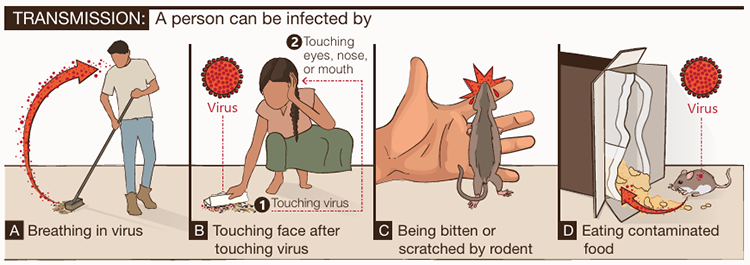
A person can be infected with hantavirus by breathing in the virus when cleaning up rodent droppings and nesting materials, touching their face after coming in contact with the virus, being bitten or scratched by a rodent, or by eating contaminated food.
“In the Southeast, the most common carriers of the virus are rodents such as the Eastern Deer Mouse and the White Footed Mouse,” said Davitt. “To avoid contact with these rodents, fill gaps and holes in and around your home and storage areas, keep food in sealed containers, and keep garbage and debris away from your home. If you find rodent waste or if you use traps, be sure to clean it up immediately, wear protective equipment, and dispose of everything properly.”
 |
|---|
| Image by CDC and the American Lyme Disease Foundation |
Lyme disease and other tick-borne illnesses
Lyme disease is the most common tick-borne disease in the United States, with an estimated 476,000 patients treated each year, but ticks can spread a variety of diseases and harmful pathogens to both humans and animals.
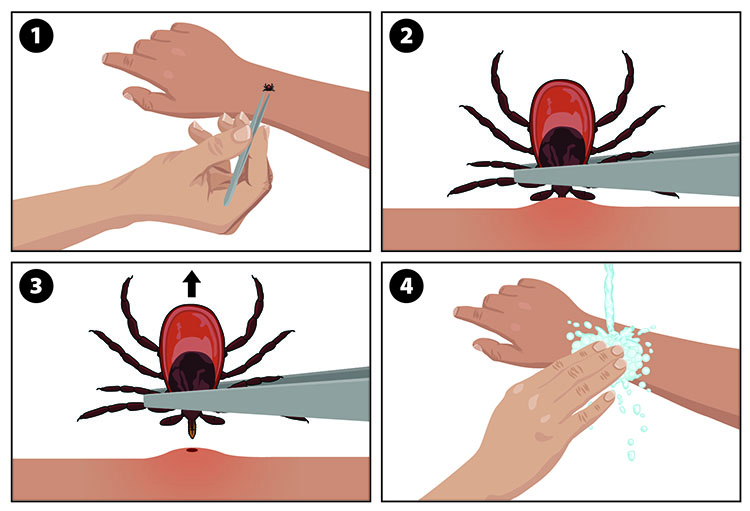
“In the Southeast, you’ll find the Blacklegged, or Deer, tick, Brown Dog tick, Gulf Coast tick, Lone Star tick, and most recently, the Asian Longhorned tick, which was just detected in Alabama,” said Davitt. “You should always do a tick check after being outdoors. A tick usually needs to remain attached to its host for 36-48 hours before transmitting Lyme disease, so it’s important to remove a tick promptly and carefully.”
While Lyme disease is not particularly prevalent in the Southeast, there are some precautions you can take to reduce tick activity around your home. “Keep grass trimmed and treat your lawn if possible, especially if you live on a greenbelt or forested area,” advises Davitt. “Wear repellent and shoes when spending time outdoors, and avoid areas with high grass.”
West Nile virus and other mosquito-borne illnesses
Like ticks, mosquitos love the Southeastern climate. Several states, including Tennessee and Texas, have confirmed human cases already this year. According to the CDC, mosquitos are considered the world’s deadliest animal, spreading not only West Nile virus but also other diseases such as Dengue and Zika.
Increased rainfall creates standing water, which provides ideal breeding sites for mosquitos,” Davitt says. “They can also breed in birdbaths, flowerpot saucers, tires, and buckets. Protect your yard by keeping it tidy and draining standing water. Even a small amount of standing water the size of a bottle cap is enough to breed hundreds of mosquitos.”
General tips for keeping pests away
• Seal Cracks and Gaps: Inspect your home’s exterior for any cracks or gaps and seal them with caulk or weatherstripping. Pay close attention to areas where pipes and utilities enter your home. Install or repair window and door screens.
• Install Door Sweeps: Ensure that all exterior doors have tight-fitting sweeps or thresholds to block pests from crawling under doors.
• Keep Firewood Away: Store firewood at least 20 feet away from your home and elevate it off the ground.
• Maintain Landscaping: Trim back trees and shrubs so they do not touch your home. Overgrown landscaping can provide a bridge for pests to enter your home. Once a week, empty any items that hold water like planters and birdbaths – mosquitoes lay eggs near water.
• Inspect and Clean Gutters: Keep gutters and downspouts clean and free of debris to prevent water buildup, which can attract pests and mosquitoes.
• Repair cracks or gaps in your septic tank if you have one. Cover open vents or plumbing pipes. Use wire mesh with holes smaller than an adult mosquito.
While many pest-proofing measures can be done by homeowners, some situations may require professional assistance. If you suspect an infestation or want to ensure your home is fully protected, consider contacting a licensed pest control professional to schedule an inspection.