Feb 28, 2026, 3:26 pm
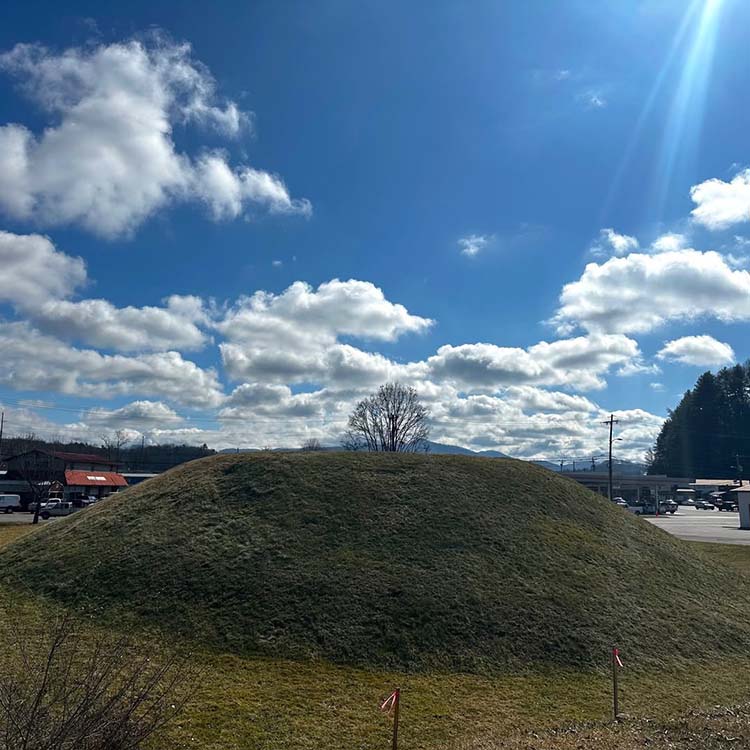
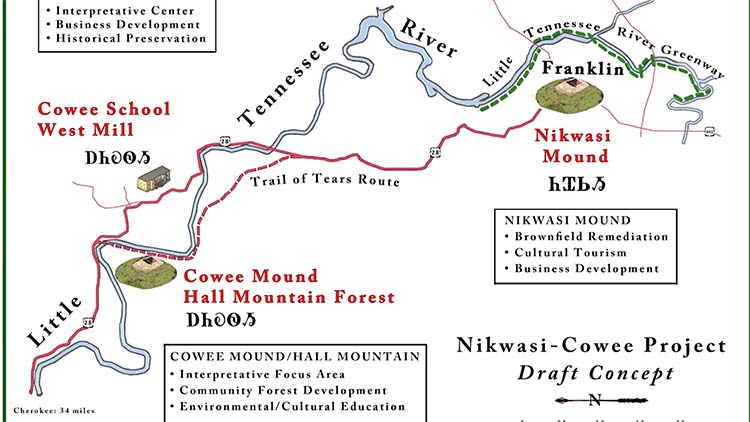
FRANKLIN, NC - On February 26, 2024, a significant milestone in the history of the Eastern Band of Cherokee Indians was achieved with the official transfer of Noquisi Mound back to the tribe. The site, which holds deep historical and cultural significance, is located in Franklin, North Carolina, along the banks of the Little Tennessee River.
 |
|---|
| The Noquisiyi Mound (formerly known as Nikwasi), in Franklin, N.C. Image courtesy of Noquisi Initiative |
The term “Noquisi” translates to “star place,” reflecting the mound's prominence in the Cherokee community as both a physical and spiritual landmark. Historical records indicate that Noquisi town was recognized as early as 1544, with its name appearing in British colonial documents by 1718. This highlights the site's long-standing importance to the Cherokee people.
 |
|---|
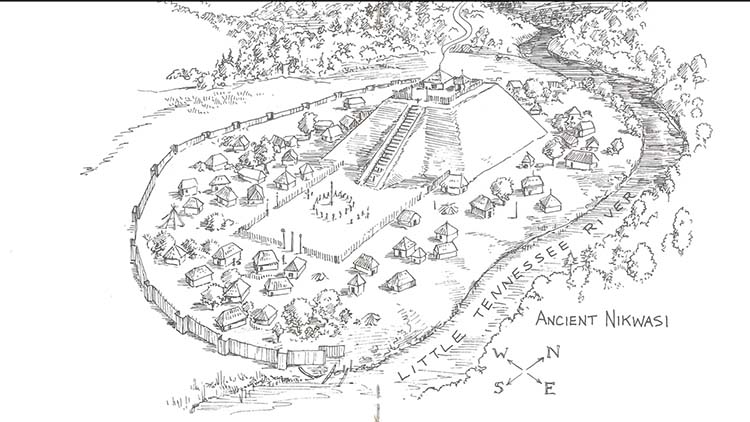
| Ancient Nikwasi |
For over two centuries, the land encompassing Noquisi Mound was removed from Cherokee ownership, severing their direct connection to an area that represents a vital aspect of their heritage. However, on January 5, 2026, the Franklin Town Council unanimously voted to return this historic site to the Eastern Band of Cherokee Indians. The deed was officially transferred on February 26, signifying a restoration of cultural heritage and recognition of the Cherokee's enduring legacy.
 |
|---|
Noquisi Mound served as the foundation for a community meeting hall that was once a focal point of Cherokee governance and social life. Created through the labor of Cherokee women who transported soil to construct it, the mound has weathered the passage of time, standing as the last remaining landmark of the settlement. Now, with the return of the mound to tribal land, it symbolizes not only the resilience of the Cherokee people but also a step towards rectifying historical injustices.
In celebrating this transfer, both the Eastern Band of Cherokee Indians and the town of Franklin acknowledge the importance of preserving indigenous history and fostering a collaborative future. Noquisi Mound, as the gateway to Franklin, now serves as a testament to the Cherokee's rich history and cultural revival, emphasizing the ongoing journey toward reconciliation and recognition of indigenous rights.