By Knoxville Daily Sun Staff
Apr 17, 2026, 6:33 pm

Amazon Best Sellers
#Commissions earned
 |
|---|
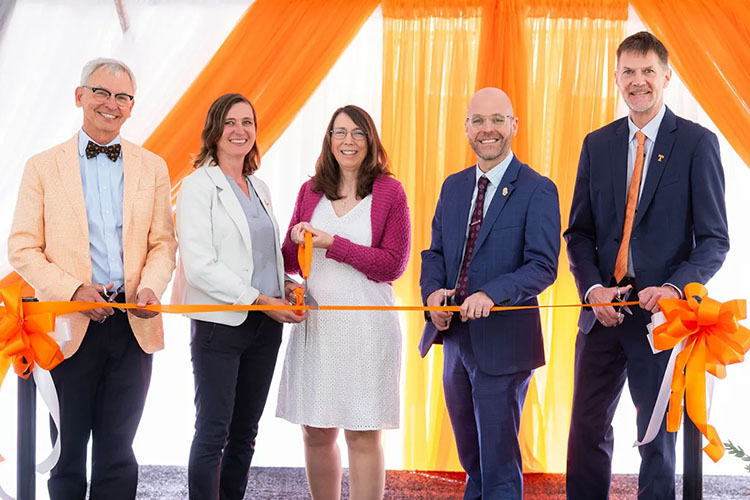
From left, John Zomchick, provost and senior vice chancellor; Giovanna Vidoli, Forensic Anthropology Center Director; Dawnie Wolfe Steadman, Forensic Anthropology Center Director Emeritus and Professor of Anthropology; Brandon Elkins, Tennessee Bureau of Investigation assistant special agent in charge; and Robert Hinde, executive dean of the College of Arts and Sciences, participate in the ribbon cutting during the Forensic Anthropology Lab opening. Image submitted by UT News |
KNOXVILLE - The University of Tennessee, Knoxville, proudly inaugurated its new Forensic Anthropology Laboratory on April 17, marking a significant milestone in the expansion of its Forensic Anthropology Center. This state-of-the-art facility substantially enhances the center’s capacity to handle human remains cases, supporting critical advancements in forensic science and bolstering efforts to identify missing persons.
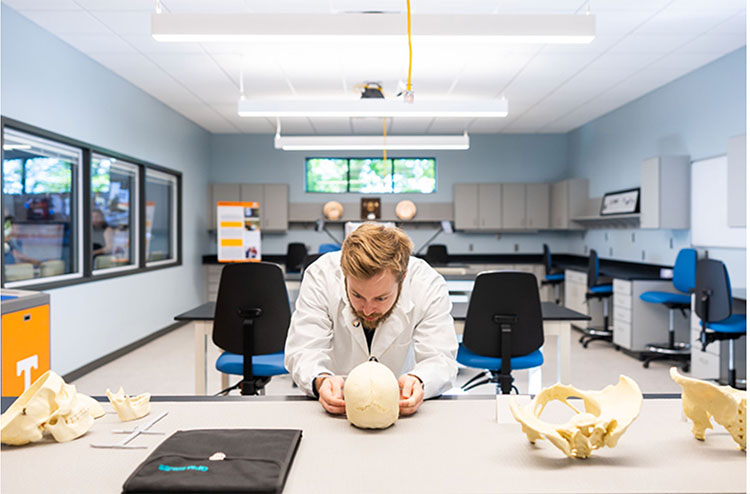
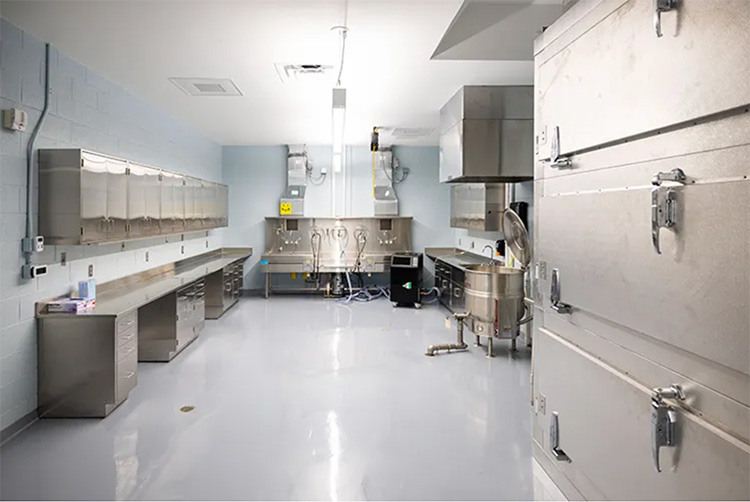
Located within the William M. Bass Forensic Anthropology Building, the new 2,725-square-foot laboratory nearly triples the center’s operational footprint. Equipped with six worktables, a specialized preparation room for forensic analysis, and a secure evidence closet, the facility is designed to increase efficiency in processing cases received from law enforcement and medical examiner agencies nationwide. Additionally, a dedicated conference room—honoring author and longtime supporter Simon Beckett—provides a collaborative space for investigators and staff to engage outside of the secure lab environment.
 |
|---|
Devin Adcox, a graduate teaching associate, examines a skull cast during the Forensic Anthropology Lab opening. Image submitted by UT News |
Director Giovanna Vidoli emphasized the laboratory’s role in expanding partnerships and enhancing student training opportunities: “We hope to build on the strong legacy of the Forensic Anthropology Center and expand our law enforcement and medical examiner partnerships both locally and nationally, strengthen our student training capabilities, and optimize our processes with the goal to assist in recovering, identifying and analyzing remains to provide answers to family members.”
Currently managing approximately 30 cases annually, the center is now positioned to triple its caseload, thereby extending support to a broader spectrum of agencies across the country. This growth aligns with the center’s mission of service, augmenting hands-on training for students and deepening collaborations that contribute to resolving unidentified human remains cases.
 |
|---|
Building interior during the Forensic Anthropology Lab opening at the William M. Bass Forensic Anthropology Building. Image submitted by UT News |
Professor Dawnie Wolfe Steadman, Director Emeritus, highlighted the profound impact of forensic anthropology: “Forensic anthropologists are called upon by law enforcement and medical examiners when human remains are in the most challenging of conditions. Through our work, we help to restore a name to a missing person.”
The expansion honors the foundational work of Professor Emeritus Bill Bass, underscored by Executive Dean Robert Hinde’s remarks on the lab’s contribution to the field: “This new lab adds to the legacy and foundation established by Professor Emeritus Bill Bass... and the legion of UT-trained forensic anthropologists who continue to deliver a dramatic impact in this vital field.”
From a collaborative perspective, Tennessee Bureau of Investigation Assistant Special Agent in Charge Brandon Elkins noted, “This laboratory strengthens collaboration between law enforcement, researchers, students and forensic professionals. It ensures the next generation has the tools necessary to continue this important work — work that makes a difference not only in investigations but in people’s lives.”
 |
|---|
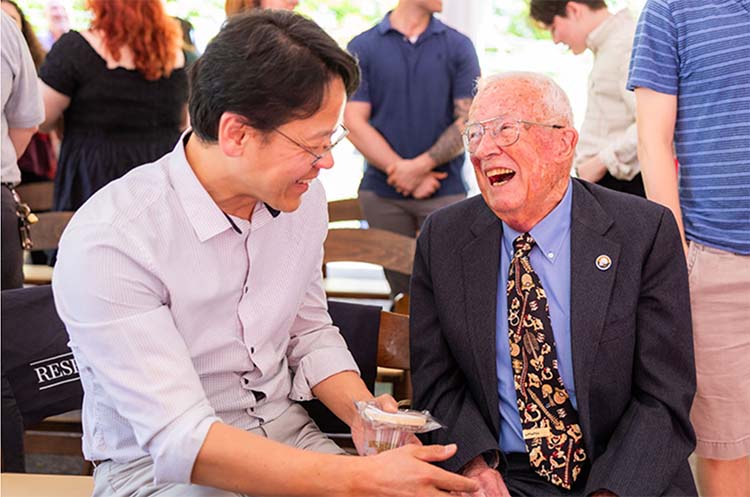
Professor Emeritus Bill Bass visits with people during the Forensic Anthropology Lab opening. Image submitted by UT News |
With over 40 years of international recognition for its pioneering research in human decomposition and skeletal variation—anchored by the unique body donation program—the Forensic Anthropology Center is poised to become the first academic forensic anthropology lab in the United States to achieve formal accreditation. This accreditation will affirm the laboratory’s adherence to international standards, further instilling confidence among law enforcement, medical examiners, and the public in the reliability and accuracy of its analyses.
Provost and Senior Vice Chancellor John Zomchick encapsulated the significance of the new laboratory: “This laboratory is not just a new facility — it’s a direct extension of the level of care and excellence Volunteers bring to everything we do. I’m excited to see our impact multiply, strengthening our ability to serve Tennessee and helping advance forensic science for generations to come.”
The opening of this advanced forensic facility positions the University of Tennessee at the forefront of forensic anthropology, reinforcing its commitment to scientific excellence, community service, and the pursuit of justice through innovative research and education.