Rescue Flight Helps Relieve Overcrowding at Animal Shelter
Feb 17, 2026
 |
Animal shelters across Tennessee continue to face overcrowding as intake numbers outpace available space, prompting shelters to transfer animals to other states for adoption. Last month, the White County Animal Shelter was operating at nearly double its intended capacity.
Tennessee currently ranks among the top five states for animal transport, a trend driven by limited shelter space and high intake rates. White County Animal Shelter manager Brooke Childress said the situation has forced difficult decisions.
“Transport partnerships like this with Pilots To The Rescue help save lives,” Childress said. “But the reality is that there are simply too many abandoned pets and not enough available homes. Until we address overpopulation at its source through spay and neuter, overcrowding will remain a constant challenge for shelters across Tennessee.”
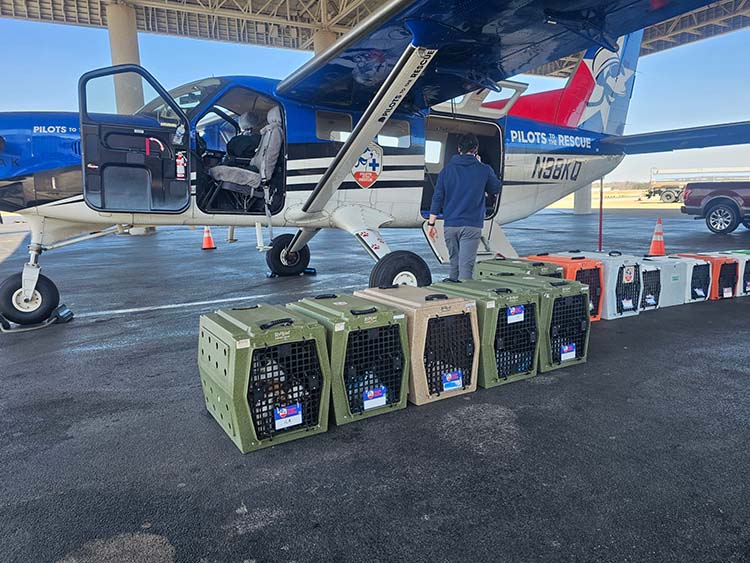
On February 9th, to help relieve overcrowding, several dogs from the White County shelter were transported out of state by Pilots To The Rescue, a nonprofit organization that transports shelter animals to rescue partners and adoption centers where demand is higher.
Jason Oliver, a volunteer pilot with Pilots To The Rescue, participated in the recent flight.
Oliver has flown with the organization for three years while working full time as a professional pilot.
“This is all volunteer,” Oliver said. “Many of us have full-time jobs as pilots, but we do this on our days off when we can.”
“Our focus is providing rescue transport for shelters that are beyond capacity,” said Michael Schneider, the founder and executive director “By moving animals to areas with stronger adoption demand, we help create space and reduce the likelihood of euthanasia due to overcrowding.”
According to Childress, the shelter has had to euthanize animals in the past when space constraints left no alternatives. She said transport partnerships provide a critical option for shelters operating under pressure.
The recent rescue flight helped reduce the number of animals housed at the White County facility and allowed staff to better manage remaining cases. Shelter officials said continued access to transport programs, along with increased spay and neuter efforts, will be essential in addressing long-term capacity issues.