3 Tennessee Towns Identified Among America’s Last ‘Handshake Economies’
June 12, 2026
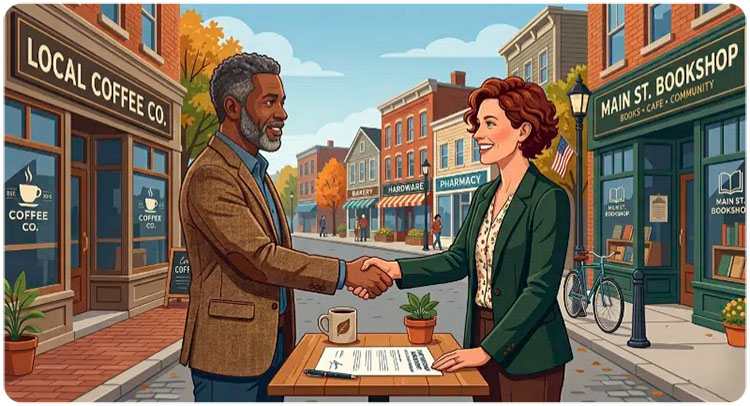
In an era of digital signatures, 20-page contracts, and “just looping in legal,” there’s a growing sense that something simpler has been lost. Not everywhere, though. In pockets of North America, business is still built on reputation, relationships, and the kind of trust that doesn’t need a paper trail. Advanced Funds Network, a business financing company, wanted to explore where that mindset still holds, surveying 3,005 small business owners to uncover the towns and communities where people believe a handshake can still carry real weight, and whether, in 2026, your word alone is ever enough.
Specifically, the survey asked small business owners whether people in their town are still more likely to do business on a verbal agreement or handshake than through written contracts. Based on their responses, these are the top 10 “handshake economies” in America:
1. Greeneville, Tennessee

Greeneville feels like the kind of place where business relationships still have roots. With its historic downtown, long-running Main Street culture, and small-town setting in the foothills of East Tennessee, it has the right ingredients for a handshake economy: familiar faces, repeat customers, and reputations that travel quickly. In a community built around local pride and close business ties, trust can still feel like a practical currency.
2. Oxford, Mississippi
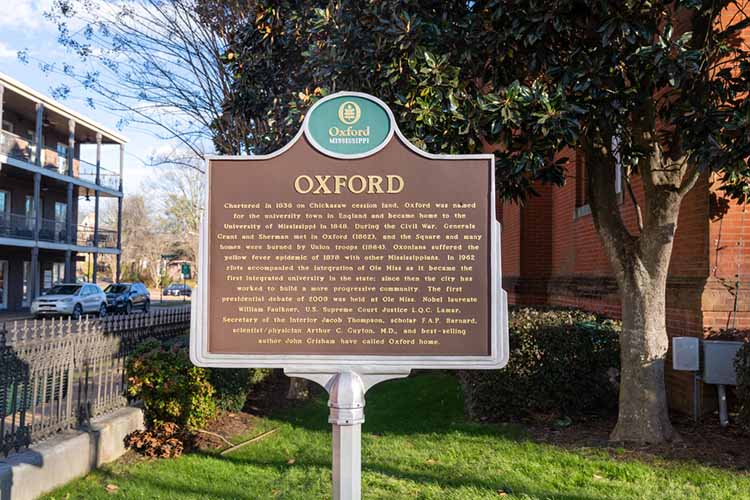
Oxford may be best known for literature, college life, and Southern charm, but its business culture still revolves around a very old-fashioned idea: people know who they’re dealing with. The Square has been the city’s cultural and economic hub since Oxford was incorporated in 1837, and that kind of compact, visible downtown helps explain why reputation still matters. In a place where shops, restaurants, alumni, locals, and university life overlap, a good name can carry real weight.
3. Mountain Home, Arkansas
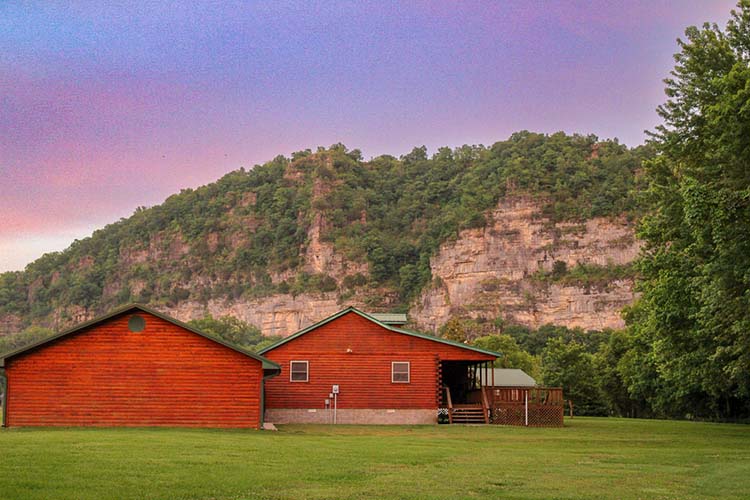
Mountain Home has the feel of a town where business is still personal. Set in North Central Arkansas, the community leans heavily into values like hard work, local relationships, and looking out for one another, exactly the kind of environment where trust can matter as much as paperwork. Its mix of small businesses, retirees, outdoor tourism, and long-standing local institutions gives it the feel of a place where word-of-mouth still has genuine economic power.
4. Murray, Kentucky
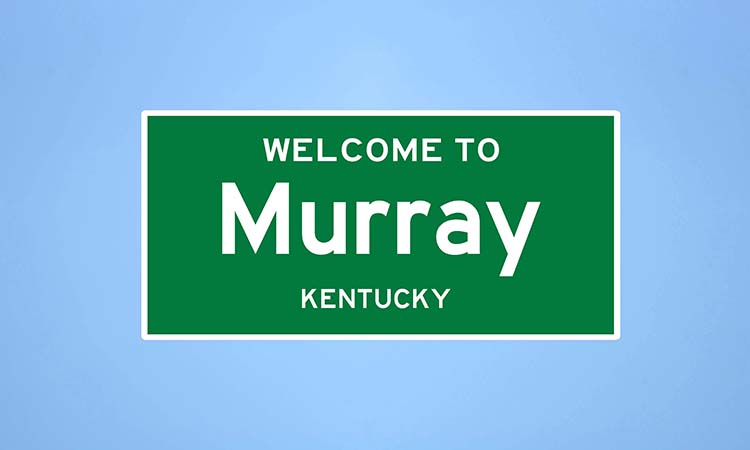
Murray’s result has a believable small-town logic to it: this is a place that actively trades on friendliness, local pride, and repeat relationships. Its visitor bureau even highlights its “Friendliest Small Town in America” recognition, which fits neatly with the idea of a business culture where reputation still does some of the heavy lifting. Add in Murray State University, local events, and a compact community rhythm, and it is easy to see why business owners might feel that trust still travels faster than paperwork here.
5. Boone, North Carolina
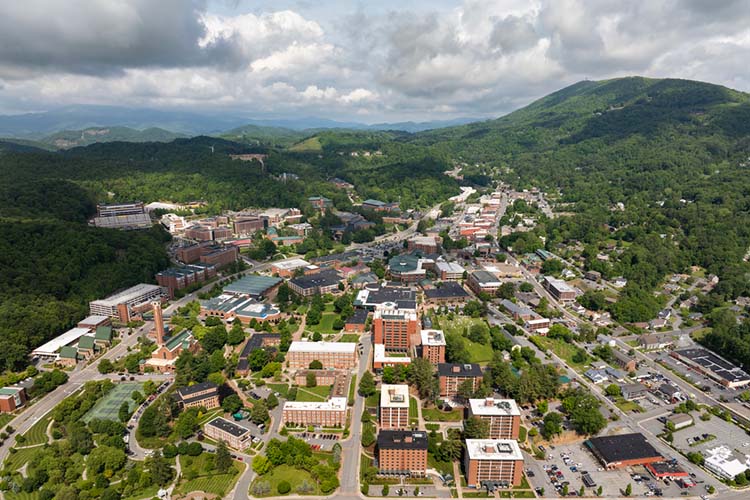
In Boone, the handshake economy likely comes less from old-fashioned formality and more from the town’s tight social overlap. It is a mountain college town, home to Appalachian State University, with a downtown that sits at the center of local life, tourism, student energy, and small business traffic. In that kind of setting, people are not just customers or vendors; they are neighbors, alumni, regulars, landlords, guides, artists, and friends-of-friends. That makes reputation unusually visible, and visibility is what gives a handshake its power.
6. Helena, Montana

Helena brings a slightly different flavor to the list. As Montana’s capital, it has government, law, and formal institutions built into its identity, but its downtown still has the feel of a place where personal credibility matters. The Last Chance Gulch walking mall, with its restaurants, breweries, galleries, museums, and local shops, creates the kind of everyday business ecosystem where people cross paths repeatedly. In Helena, the handshake may not replace the contract, but it probably still helps decide who gets the call in the first place.
7. Danville, Kentucky

Danville has the kind of civic backbone that makes a handshake economy feel plausible. It is one of Kentucky’s oldest towns, with a strong historic identity, a walkable downtown, and Centre College adding a steady layer of students, alumni, faculty, and local spending. In a place like this, business relationships are rarely anonymous for long. A builder, broker, shop owner, or supplier is often known through several different circles, which means trust is not just a nice idea; it is part of the local operating system.
8. Beaufort, South Carolina
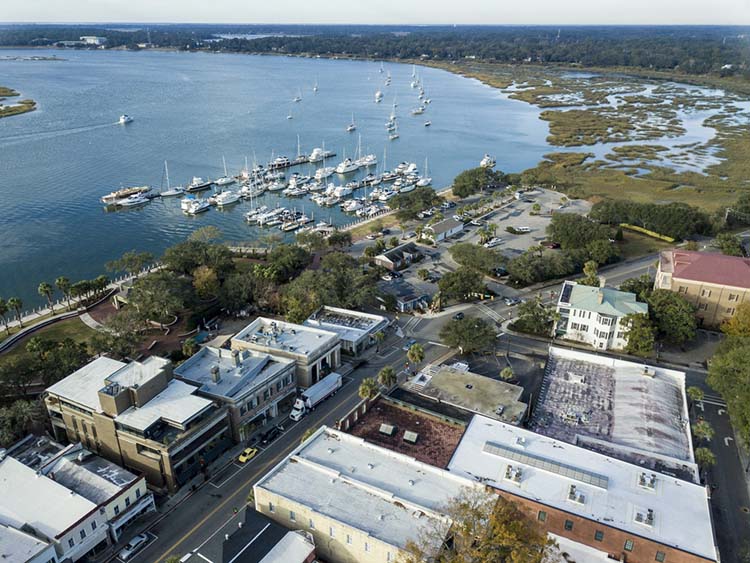
Beaufort’s ranking makes sense because it is a town where heritage, hospitality, and local loyalty are tightly woven together. The waterfront, historic district, military presence, tourism economy, and long-standing local businesses all create a setting where reputation can carry real commercial value. Deals may still need paperwork, of course, but in Beaufort, the person behind the promise probably matters just as much. When customers, contractors, families, and business owners keep crossing paths, a good name becomes hard currency.
9. Whitefish, Montana
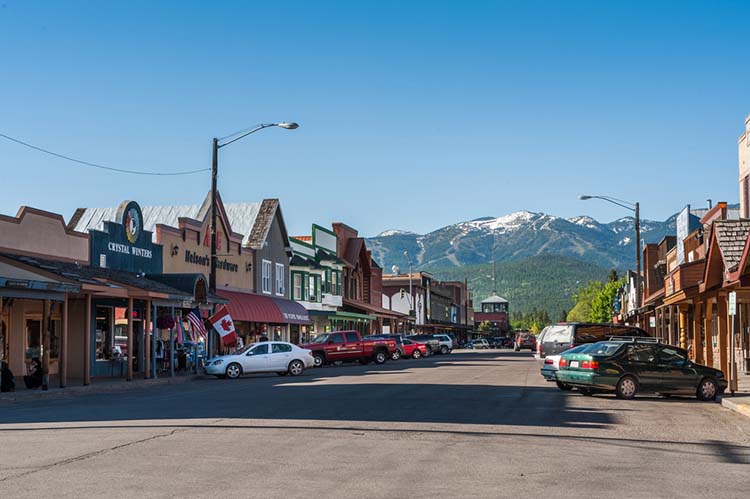
Whitefish has grown into a polished mountain destination, but underneath the resort-town shine, there is still a strong local network. Outdoor guides, builders, restaurants, property managers, outfitters, artists, and hospitality businesses often depend on referrals and repeat trust. In a town where the economy is shaped by both local relationships and visitors who rely on recommendations, reputation can move quickly. That gives the handshake extra weight: not as a replacement for contracts, but as the social signal that makes business feel possible in the first place.
10. Jasper, Alabama
Jasper’s handshake appeal feels rooted in the everyday realities of a smaller Southern business community. This is a place where local contractors, family businesses, churches, schools, civic groups, and longtime customers often sit closer together than they would in a larger city. That kind of overlap matters. When people expect to see one another again, at a ballgame, a diner, a chamber event, or through mutual friends, reputation becomes a form of accountability.
2 other towns in Tennessee also emerged among those who still base business on a handshake:
15. Sevierville, Tennessee
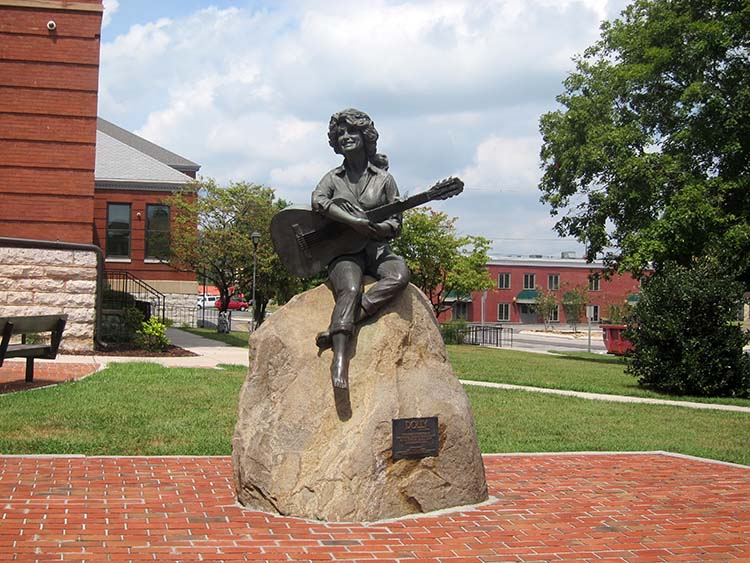
Sevierville adds a tourism-town twist to the handshake economy. As the gateway to the Smokies and a base for hospitality, cabins, restaurants, attractions, contractors, and family-run businesses, it depends heavily on referrals and working relationships. Local operators often need people they can rely on quickly, especially in a fast-moving visitor economy. That gives reputation real value. In Sevierville, the handshake may be less about nostalgia and more about speed: knowing who can be trusted to get things done.
16. Cookeville, Tennessee
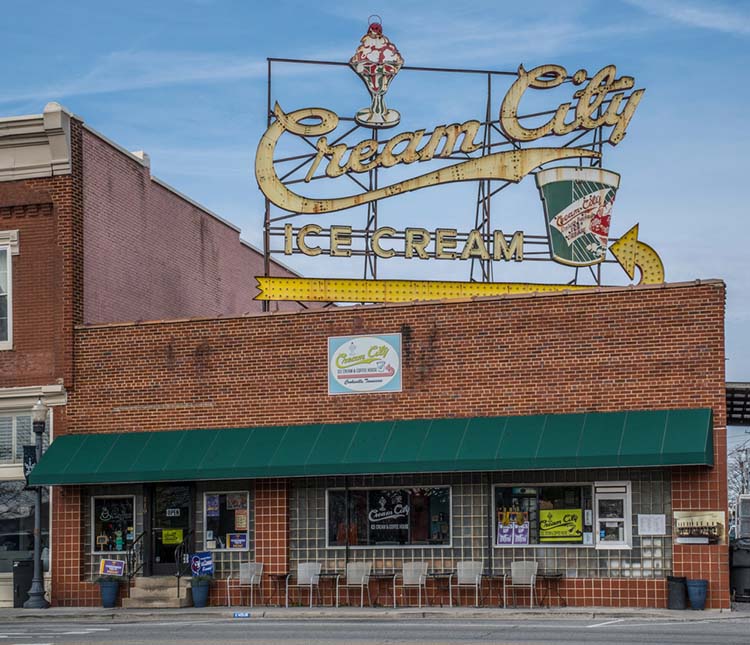
Cookeville sits in that useful middle ground between small town and regional hub, which may be exactly why trust still matters there. It has Tennessee Tech, a busy downtown, healthcare, trades, restaurants, and local services drawing people in from across the Upper Cumberland. That creates a business culture where people may not know everyone personally, but names still circulate. A strong reputation can travel from customer to customer, making a handshake feel less like a gamble and more like a locally understood signal.
Infographic Ranking
The survey also explored what small business owners actually look for before trusting someone in business, and the results suggest that relationships still matter more than paperwork. Nearly a quarter said having done business with someone before is the biggest trust factor, while 22% pointed to a person’s reputation in the local community, and 20% said a personal recommendation from someone they trust matters most.
When asked what would make them nervous about a handshake deal, respondents were most concerned about what happens if things go wrong:
• 27% said they would worry about having no legal protection.
• 20% feared the other person changing their mind.
• 18% worried about damaging the relationship if a dispute arose.
• 15% said they would be concerned about the work not being completed properly.
• 11% pointed to disagreement over price or payment.
• 9% said they might simply forget exactly what had been agreed.
The findings also reveal why many believe handshake deals have become less common. The biggest reason, cited by 32% of respondents, was simple: people are less trusting now. A further 20% blamed scams and fraud for making people more cautious, while 11% each pointed to fear of being sued, business becoming more complex, and online transactions making business less personal.
Still, the handshake is not dead. Small business owners said it can still be enough in certain low-risk, community-based situations:
• 21% said a handshake is still enough for a favor between local business owners.
• 20% said it works for borrowing or lending tools or equipment.
• 20% said it can still apply to a small business partnership.
• 17% said selling goods locally.
• 14% said hiring a local tradesperson for a small job.
• 9% said letting someone pay later.
One of the clearest findings was the role of small-town reputation. A combined 85% of respondents agreed that reputation travels faster in small communities, with 58% strongly agreeing and 27% somewhat agreeing.
When asked for the biggest sign that someone is trustworthy in business, 30% said they are known for keeping their word. Another 20% said being recommended by several locals was the clearest sign, while 16% pointed to being in business for many years.
The survey also asked what feels most frustrating about modern business compared with the old-fashioned “your word is your bond” approach. The most common answer was lack of personal relationships, chosen by 23% of respondents. Others pointed to long contracts at 17%, legal jargon at 16%, online-only customer service at 15%, payment delays at 14%, and too many emails at 12%.
"The handshake economy has not disappeared; it has just become more selective,” says Irving Betesh, CRO of Advanced Funds Network. Small business owners clearly understand the value of contracts, but they also know that trust is often built long before anything is signed. In smaller communities, especially, reputation still acts like a form of credit. People remember who follows through, who pays on time, who treats others fairly, and who keeps their word. That kind of local trust can be incredibly powerful, particularly for small businesses that depend on repeat relationships and word-of-mouth.