Incarcerated Writers Can Now Connect With the Literary World Through PEN
By Jeaneane Payne, Editor
Nov 26, 2025
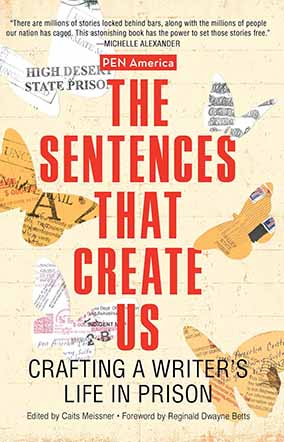
The Sentences That Create Us provides a road map for incarcerated people and their allies to have a thriving writing life behind bars—and shared beyond the walls—that draws on the unique insights of more than fifty contributors, most themselves justice-involved, to offer advice, inspiration and resources.
The Sentences That Create Us draws from the unique insights of over fifty justice-involved contributors and their allies to offer inspiration and resources for creating a literary life in prison. Centering in the philosophy that writers in prison can be as vibrant and capable as writers on the outside, and have much to offer readers everywhere, The Sentences That Create Us aims to propel writers in prison to launch their work into the world beyond the walls, while also embracing and supporting the creative community within the walls.

#CommissionsEarned
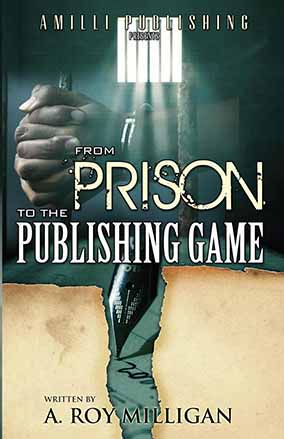
In From Prison to the Publishing Game, veteran fiction and non-fiction author and self-publisher A. Roy Milligan offers future authors and book publishers proven self-publishing and writing advice that will allow you to overcome self-doubt and write a valuable book that will earn significant royalties and provide a long-term passive income and allow you to creatively express yourself. This informational book is for people who are serving time behind bars with no access to the internet or who can't find the information they need to enable them to write and publish a book while doing time. If you know someone who's currently locked up, this book will inspire them. Maybe you have a pen pal, an aunt, uncle, cousin, son, daughter, mother, father, or even grandparent who's serving time. This would be the perfect gift. Everyone behind bars has a story to tell. This short and simple guide will help them share their story with the world.
#CommissionsEarned
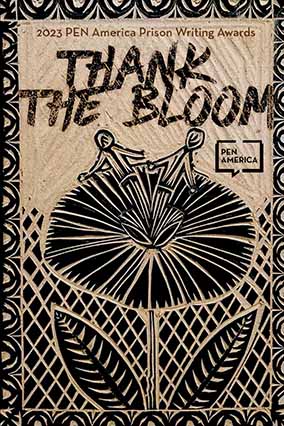
Thank the Bloom: 2023 PEN Prison Writing Awards Anthology is a testament to the power of this kind of community collaboration. Inspired by past lovers, current partnerships, old family dynamics, and steadfast friendships that both transcend prison walls and persevere within them, this anthology illuminates the ways in which art cannot survive without community care at its core. Using poetry, memoir, essay, fiction, and drama as their mediums, the writers featured in this anthology fight to create means of connection. And yet these themes defy genre, turning this anthology into something else entirely: a deeper exploration of self, of power, of institutionalized racism, of systemic isolation, and of the beauty that can be found in a garden bed.
 |
| Derek Trumbo Sr. who spent nearly two decades behind bars. Image courtesy of PEN |
PEN America has launched the Incarcerated Writers Bureau, a new initiative aimed at expanding visibility and opportunities for incarcerated writers in the United States. This program is part of PEN’s Prison and Justice Writing Program and is supported by the Andrew W. Mellon Foundation. The launch was announced on Tuesday, emphasizing the organization's goal to foster inclusivity within the literary community by providing a structured platform for those behind bars.
According to Clarisse Rosaz Shariyf, co-interim CEO of PEN and chief program officer of Literary Programming, the initiative seeks to address the historical exclusion of powerful voices from the prison system in publishing and writing opportunities. She stated, "For too long, powerful storytellers in prison have been left out of publishing and writing opportunities due to the challenges of connecting with the wider world."
The Incarcerated Writers Bureau aims to mitigate these challenges by facilitating connections between incarcerated authors and industry professionals, including publishers and agents. It offers essential resources that help navigate the complexities associated with limited access to technology and the burdensome logistics often faced by prisoners.
In addition to facilitating contact with potential publishers, the website provides advice on various aspects, such as fair compensation practices for incarcerated writers, ethics in working with them, and strategies for those who may not have access to traditional writing tools like computers or typewriters.
The initiative also includes biographies, writing samples, and points of contact for 21 writers affiliated with PEN and its longstanding prison program. PM Dunne, a writer-critic and four-time recipient of PEN prison writing awards, remarked on the significance of this endeavor by referencing the rich history of individuals who have created profound literature while imprisoned. He stated, “We’re here to continue that good work, to enrich society on both sides of the wall.”
Derek Trumbo Sr.'s journey from incarceration to literary success is a testament to the transformative power of writing. After spending nearly two decades behind bars at Kentucky's Northpoint Training Center, Trumbo not only experienced personal growth but also developed his skills as an accomplished author, essayist, and playwright.
In April, upon his release, he joined a community that aims to amplify the voices of those who have been impacted by the criminal justice systemcriminal justice system. Trumbo is one of 21 talented writers showcased on the Incarcerated Writers Bureau, a pioneering digital platform recently launched by PEN America. This initiative seeks to bridge the gap between literary professionals and incarcerated individuals by providing essential resources that facilitate collaboration and mentorship.
The Incarcerated Writers Bureau serves as a valuable tool for both incarcerated writers and the literary community. It offers resources aimed at educating literary professionals on effectively working with writers in prison, equipping them with the knowledge to foster meaningful partnerships. Furthermore, the platform includes a database for publishing calls for submissions specifically targeting incarcerated writers, ensuring that their talents are recognized and provided with avenues for expression.
In addition to these resources, the Bureau features profiles of both incarcerated and recently released writers, highlighting their unique stories and contributions to literature. By showcasing writers like Derek Trumbo Sr., PEN America emphasizes the importance of narrative and the potential for rehabilitation through creative expression. The launch of this platform marks a significant step towards supporting and uplifting marginalized voices in contemporary literature while fostering a deeper understanding of the complexities surrounding the incarceration experience.
For more information on PEN America, please visit https://pen.org/prison-and-justice-writing/.
 |
 |
|---|---|
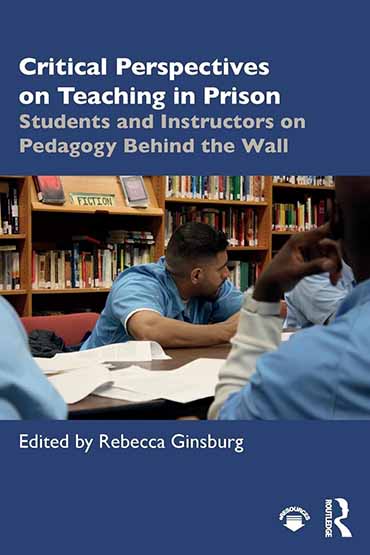
This volume makes a case for engaging critical approaches for teaching adults in prison higher education (or “college-in-prison”) programs. This book not only contextualizes pedagogy within the specialized and growing niche of prison instruction but also addresses prison abolition, reentry, and educational equity. Chapters are written by prison instructors, currently incarcerated students, and formerly incarcerated students, providing a variety of perspectives on the many roadblocks and ambitions of teaching and learning in carceral settings. All unapologetic advocates of increasing access to higher education for people in prison, contributors discuss the high stakes of teaching incarcerated individuals and address the dynamics, conditions, and challenges of doing such work. The type of instruction that contributors advocate is transferable beyond prisons to traditional campus settings. Hence, the lessons of this volume will not only support readers in becoming more thoughtful prison educators and program administrators but also in becoming better teachers who can employ critical, democratic pedagogy in a range of contexts.
|
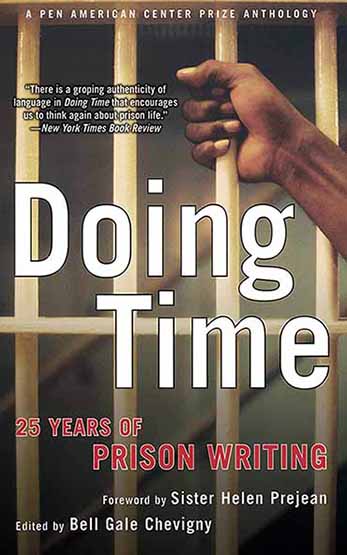
Doing time.” For prison writers, it means more than serving a sentence; it means staying alive and sane, preserving dignity, reinventing oneself, and somehow retaining one’s humanity.
|